 Photo · every 10 min
Mauna Loa - ML Cam
Source: Courtesy USGS Volcano Hazards Program · public domain
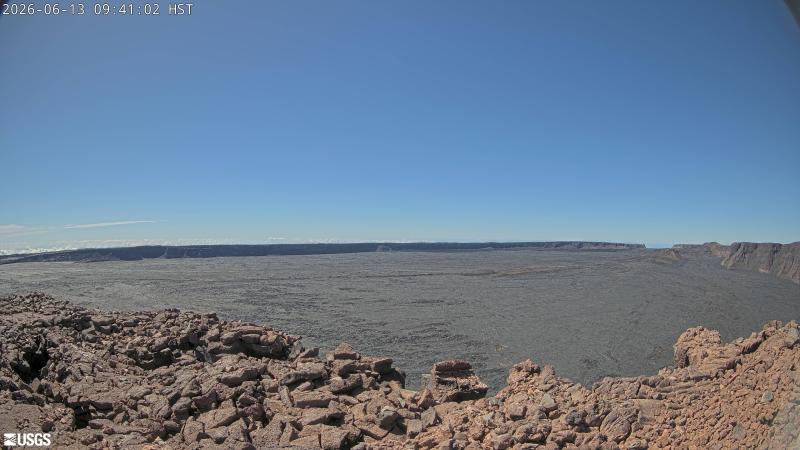
Mauna Loa (Volcanoes (USGS), United States) has 7 cameras on Zenitmap from an official source: USGS. These are volcano monitoring cameras. The USGS uses them to track activity, and in good visibility you can see the slope, the crater or the steam plume.
Photo · every 10 minSource: Courtesy USGS Volcano Hazards Program · public domain
 Photo · every 10 min
Source: Courtesy USGS Volcano Hazards Program · public domain
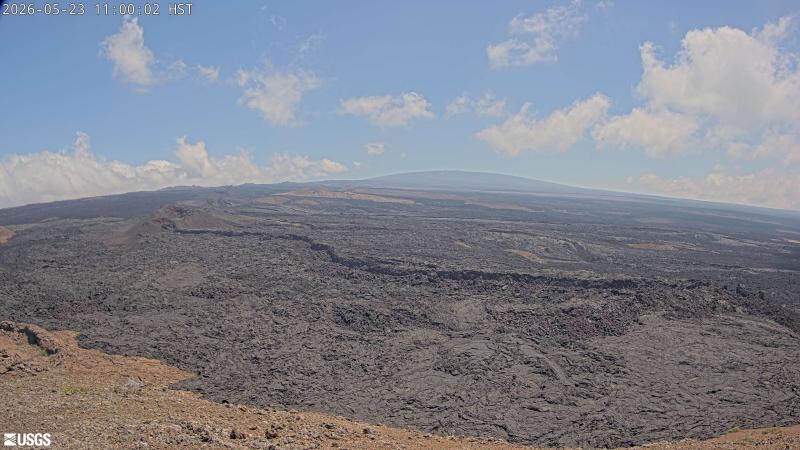 Photo · every 10 min
Source: Courtesy USGS Volcano Hazards Program · public domain
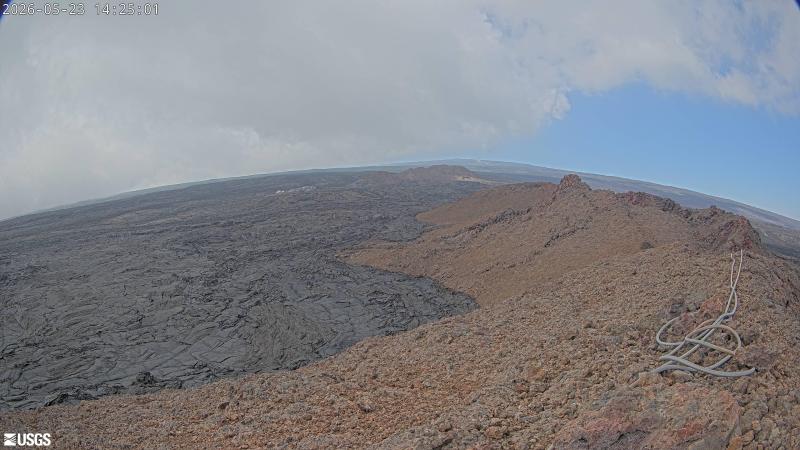 Photo · every 10 min
Source: Courtesy USGS Volcano Hazards Program · public domain
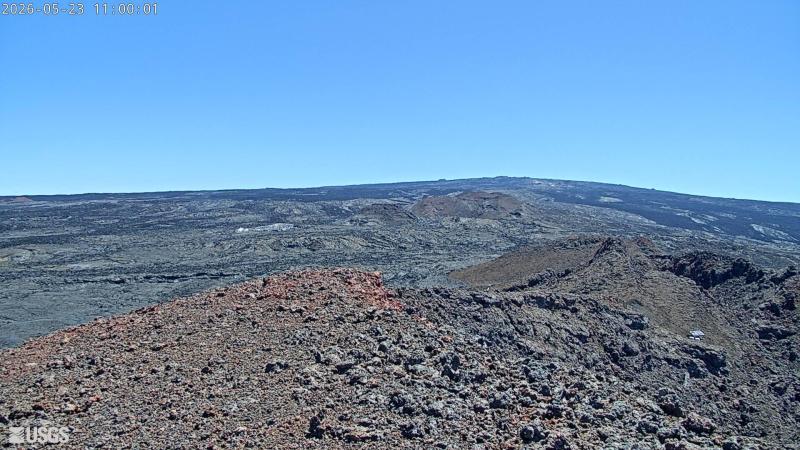 Photo · every 10 min
Source: Courtesy USGS Volcano Hazards Program · public domain
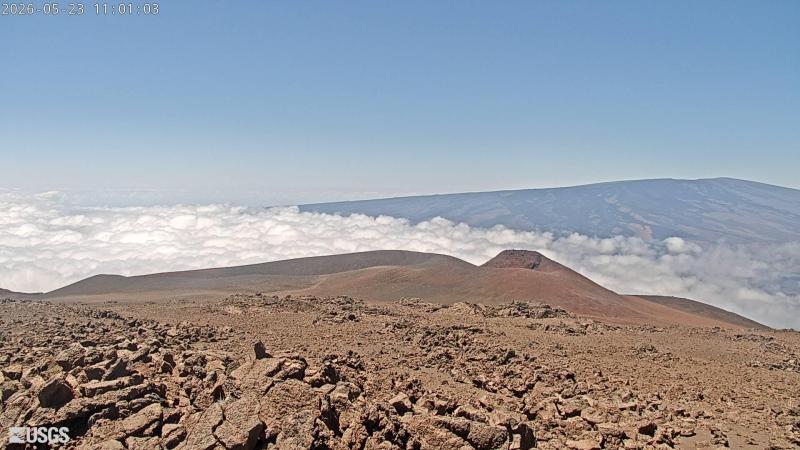 Photo · every 10 min
Source: Courtesy USGS Volcano Hazards Program · public domain
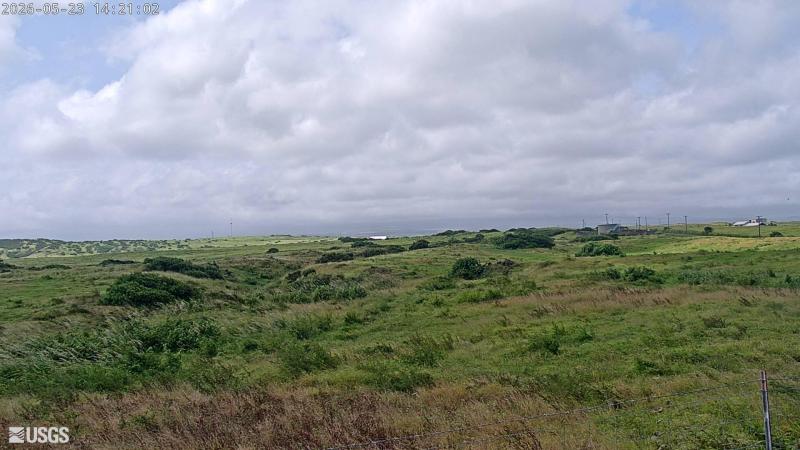 Photo · every 10 min
Source: Courtesy USGS Volcano Hazards Program · public domain
Images refresh roughly every 10 min and the page loads new shots by itself, so there is no need to reload it. Views include, for example: Mauna Loa, mauna-loa-hl-cam, mauna-loa-m2-cam, mauna-loa-m3-cam, mauna-loa-mdl-cam.
Mauna Loa: the longest day of the year lasts 12 h 8 min (December 23) and the shortest 12 h 6 min (September 20). Today's exact sunrise and sunset times are in the bar at the top of the page.
Mauna Loa is ±0 h from the UK in January and -1 h in July, because of daylight saving time. When it is 12:00 in London in January, it is 12:00 there.
They are images from USGS cameras, refreshed roughly every 10 min. The new shot appears automatically without reloading the page.
Currently 7 cameras. The list is updated automatically from the source data.
The time zone is Etc/GMT. We show the current time plus sunrise and sunset at the top of the page, so you can tell at once whether it is light on the cameras.
The slope and the area around the crater. The USGS publishes these images to monitor volcanic activity. At night or in bad weather the image may be dark or foggy.
Mauna Loa is ±0 h from the UK in January and -1 h in July, because of daylight saving time. When it is 12:00 in London in January, it is 12:00 there.